
Vehicle Quality Solutions highlights the shift to EVs is accelerating
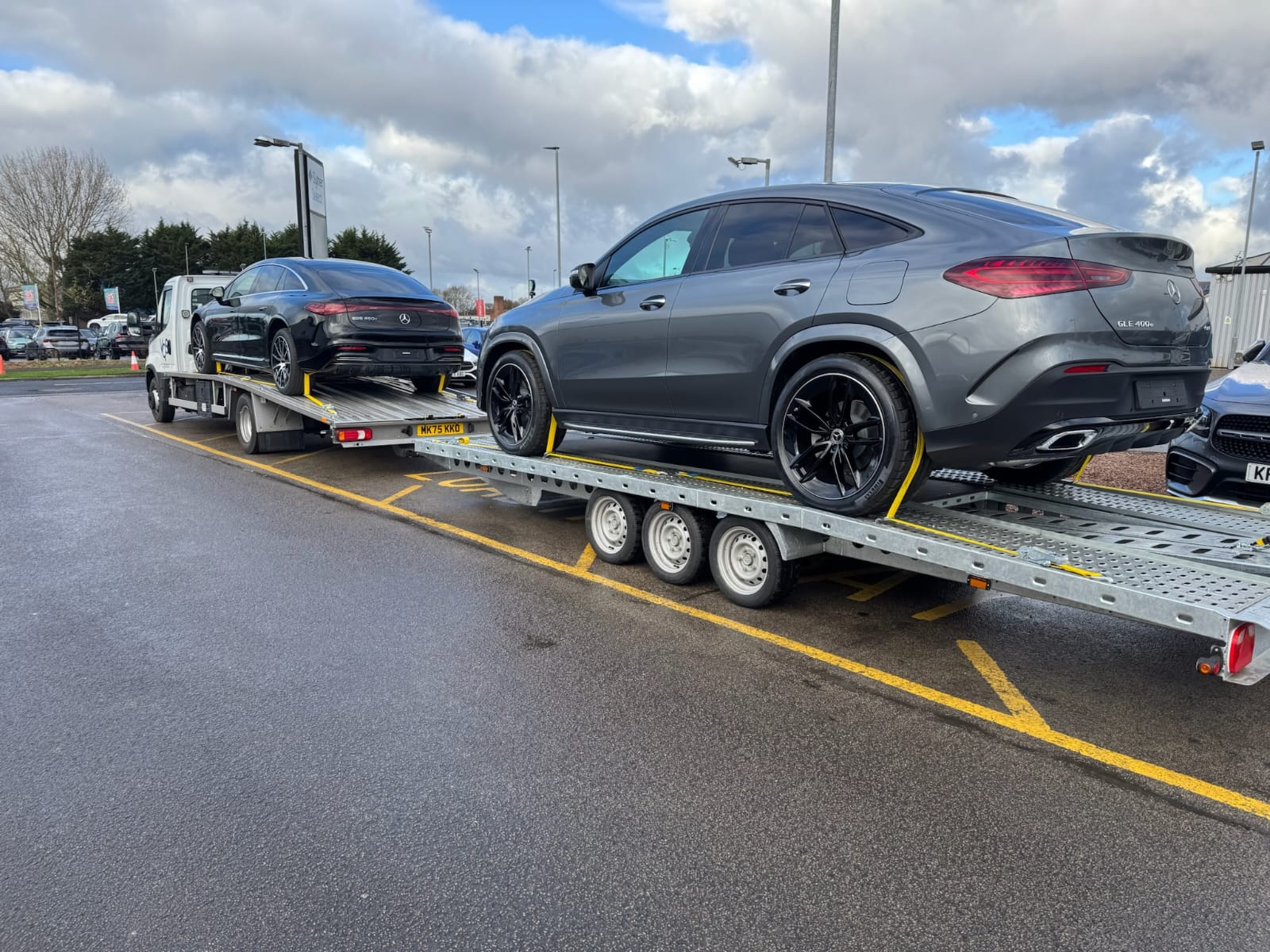
The latest data from Vehicle Quality Solutions (VQS), the UK’s largest independent supplier of vehicle inspections and logistics, suggests the shift to EVs is accelerating across corporate fleets and vehicle remarketing nationwide
During October, VQS completed more vehicle operations (over 7,200 jobs), covering almost 890,000 miles, and the findings not only demonstrate VQS’s strong activity but also highlight broader trends transforming the wider fleet, logistics, and remarketing sectors.
The data suggests the shift toward low- and zero-emission transport is gathering pace, with 56% of all movements being either hybrid electric or pure electric vehicles. This mirrors wider industry data from the month, with BEV surpassing pure petrol and diesel vehicles as leasing fleets align with corporate green mandates and Benefit-in-Kind (BiK) incentives.
As transparency and instant auditability at the point of vehicle transfer become increasingly important to fleet managers, almost all operations utilised VQS POD Capture, creating indisputable electronic audit trails for mileage, timestamps, and vehicle condition.
According to VQS, unlike cars, light commercial vehicles continue to rely on diesel for heavy-use logistics. Diesel accounted for 26% of VQS activity, driven by utility models, such as the Ford Transit Custom, Peugeot Boxer, and Toyota Proace.
Fleet operators are increasingly centralising inspection, refurbishment, and de-fleet activities. VQS operations were strongly anchored around strategic logistics corridors with an average journey distance of 122 miles, demonstrating a focus on efficient regional hub-to-dealer delivery over dead-mileage long hauling.
Simon Jackson, managing director at Vehicle Quality Solutions, said: “Our latest data reflects a dynamic automotive landscape. As fleet operators transition to EVs and regionalised distribution models, maintaining digital transparency and rigorous inspection standards at every handover is more critical than ever.
We remain committed to supporting our partners with technology-enabled services that minimise downtime and safeguard vehicle values.”